
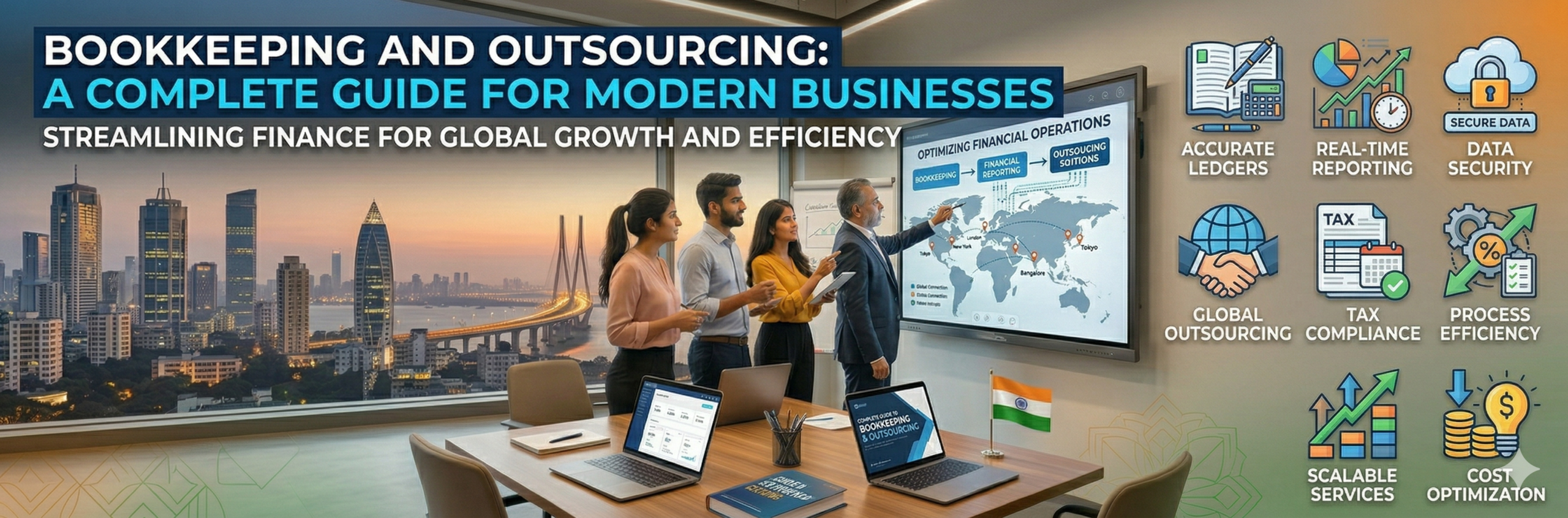
Bookkeeping and Outsourcing: A Complete Guide for Modern Businesses
In today’s competitive business environment, efficient financial management is essential for the success and sustainability of any organization. One of the most fundamental aspects of financial management is bookkeeping, which involves recording, organizing, and maintaining financial transactions. As businesses grow and financial operations become more complex, many organizations choose bookkeeping outsourcing as a strategic solution.
Bookkeeping and outsourcing allow companies to focus on their core business activities while professionals handle financial record-keeping and compliance tasks. This approach not only improves financial accuracy but also helps businesses reduce operational costs and increase efficiency.
This article explores the concept of bookkeeping, the benefits of outsourcing bookkeeping services, and how businesses can leverage these services for better financial management.
What is Bookkeeping?
Bookkeeping is the systematic process of recording and maintaining all financial transactions of a business. These transactions include purchases, sales, receipts, payments, and other financial activities. Proper bookkeeping ensures that financial records are accurate, organized, and available for decision-making.
Bookkeeping forms the foundation of accounting and financial reporting. Without proper bookkeeping, it becomes difficult for businesses to prepare financial statements, monitor cash flow, or comply with regulatory requirements.
Key Functions of Bookkeeping
Bookkeeping involves several essential tasks, including:
- Recording daily financial transactions
- Maintaining general ledger accounts
- Managing accounts payable and accounts receivable
- Preparing financial reports
- Reconciling bank statements
- Tracking expenses and income
These functions help businesses maintain accurate financial records and support effective financial planning.
What is Bookkeeping Outsourcing?
Bookkeeping outsourcing refers to the practice of hiring external professionals or specialized firms to manage a company’s bookkeeping activities. Instead of maintaining an in-house bookkeeping department, businesses delegate these responsibilities to experienced accounting professionals.
Outsourced bookkeeping services are often provided by accounting firms, financial consultants, or specialized outsourcing companies that use advanced accounting tools and software to manage financial records efficiently.
Benefits of Bookkeeping Outsourcing
Outsourcing bookkeeping services offers numerous advantages for businesses of all sizes.
- Cost Efficiency: Hiring and maintaining an in-house bookkeeping team can be expensive. Outsourcing allows businesses to reduce costs related to salaries, training, and infrastructure.
- Access to Professional Expertise: Outsourced bookkeeping providers have experienced professionals who understand accounting principles, tax regulations, and financial reporting standards.
- Improved Accuracy and Compliance: Professional bookkeeping services ensure accurate financial records and compliance with regulatory requirements.
- Focus on Core Business Activities: By outsourcing bookkeeping tasks, business owners and management can focus on strategic activities such as business development and customer service.
- Scalability and Flexibility: Outsourced services can easily adapt to the changing needs of a business, making it easier to manage growth and expansion.
Services Included in Bookkeeping Outsourcing
Bookkeeping outsourcing typically includes a wide range of financial services designed to support business operations.
- Transaction Recording: Recording daily financial transactions in accounting systems.
- Accounts Payable and Receivable Management: Managing payments to suppliers and tracking payments received from customers.
- Bank and Credit Card Reconciliation: Ensuring that financial records match bank statements and identifying discrepancies.
- Financial Reporting: Preparing financial statements such as profit and loss statements, balance sheets, and cash flow reports.
- Payroll Processing: Managing employee salaries, tax deductions, and payroll records.
- Tax Preparation Support: Assisting businesses in maintaining proper records for tax compliance and filing.
Importance of Bookkeeping for Businesses
Effective bookkeeping plays a crucial role in maintaining the financial health of an organization.
- Better Financial Management: Accurate records help businesses monitor income, expenses, and profitability.
- Informed Decision Making: Financial data provides valuable insights for strategic planning and business growth.
- Regulatory Compliance: Proper bookkeeping ensures compliance with tax laws and financial regulations.
- Transparency and Accountability: Maintaining organized financial records improves transparency and accountability within an organization.
Choosing the Right Bookkeeping Outsourcing Partner
When selecting a bookkeeping outsourcing provider, businesses should consider several factors:
- Professional experience and expertise
- Knowledge of accounting standards and tax laws
- Use of reliable accounting software
- Data security and confidentiality
- Cost-effectiveness and service quality
Choosing the right partner ensures reliable financial management and long-term business success.
Future of Bookkeeping and Outsourcing
The future of bookkeeping outsourcing is being shaped by technological advancements such as cloud accounting, automation, artificial intelligence, and digital financial tools. These technologies allow businesses to access real-time financial data and improve operational efficiency.
As companies continue to embrace digital transformation, bookkeeping outsourcing is expected to become eve